
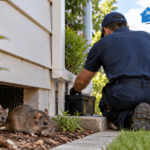
Rats and mice can be more than an occasional nuisance. If you keep noticing droppings, scratching sounds, chewed materials or signs of activity around your home, there may be an underlying reason they continue to return.
Auckland’s changing weather, gardens, vegetation and residential environments can create suitable conditions for rodents to find food, water and shelter. The key is not only dealing with the visible pest, but understanding why they keep coming back.
Why Are Rats and Mice Common Around Auckland Homes?
Rodents are adaptable and can find shelter in surprisingly small spaces. Homes with gardens, sheds, garages, roof spaces or accessible rubbish can provide easy opportunities for rats and mice to settle.
Common factors include:
- Easy access to food and rubbish
- Gaps around doors, roofs and walls
- Overgrown vegetation
- Outdoor storage and clutter
- Compost and poorly secured bins
- Damp areas and accessible water
- Openings around pipes and utility services
When these conditions remain, treating the visible pest may not prevent further activity.
How Do Rats and Mice Get Inside a House?
One of the main reasons rodent problems continue is that entry points can be difficult to notice.
Common Rodent Entry Points
Rats and mice may gain access through:
- Gaps around pipes and cables
- Damaged vents or screens
- Spaces underneath doors
- Cracks around walls
- Openings around garages
- Roof and eaves gaps
- Damaged exterior materials
A small opening can be enough for rodents to access parts of a property where they can hide and nest.
7 Signs You May Have a Rodent Problem
You may not always see a rat or mouse directly. Instead, look for signs of activity around the property.
1. Droppings
Small dark droppings around cupboards, garages, roof spaces or hidden areas can indicate rodent activity.
2. Scratching Sounds
Scratching or movement inside walls, ceilings or roof spaces can be a sign that rodents are using these areas for shelter.
3. Chewed Materials
Rodents may chew cardboard, insulation, wood, plastic and other materials as they move around the property.
4. Unusual Pet Behaviour
Dogs and cats may become unusually interested in walls, cupboards, ceilings or other areas where rodents are active.
5. Grease or Rub Marks
Repeated movement along the same routes can leave marks where rodents come into contact with surfaces.
6. Nesting Materials
Shredded paper, insulation, fabric and other soft materials may indicate that rodents have created a nesting area.
7. Unusual Odours
A persistent unpleasant smell in an enclosed area can sometimes be associated with ongoing pest activity.
Dealing with Rodents in Your Auckland Home?
Don’t let rats and mice keep returning. Get a professional assessment and quote from A to Z Property Services today!
Why Do DIY Rodent Treatments Sometimes Fail?
DIY traps and treatments may deal with individual rodents, but they do not always address the reason rodents are accessing the property.
For example, removing one rat does not necessarily solve the problem if:
- Another entry point remains open
- Food sources are still accessible
- Nesting areas remain available
- More rodents are present
- Outdoor conditions continue attracting them
Recurring activity therefore needs to be considered as a wider property issue.
What Attracts Rats and Mice to Your Property?
Food and shelter are two of the biggest factors.
Accessible Food
Rubbish, pet food, food scraps, compost and poorly sealed bins can provide easy food sources.
Shelter
Garages, sheds, roof spaces, dense vegetation and outdoor clutter can provide places for rodents to hide.
Water and Moisture
Accessible water and damp areas can also make parts of a property more attractive to rodents.
Vegetation Around Buildings
Trees, bushes and dense vegetation close to buildings can provide cover and potential routes towards the property.
Can Property Maintenance Help Reduce Pest Activity?
Regular property maintenance can help identify and reduce conditions that may contribute to pest activity.
For example, keeping exterior surfaces clean and removing organic build-up can form part of broader property care. Professional property maintenance and cleaning services in Auckland can be useful when several exterior maintenance issues need attention.
Gutters can also collect leaves, organic matter and moisture, making regular maintenance important around the property.
Can Blocked Gutters Contribute to Property Problems?
Blocked gutters can cause water to overflow against exterior walls, foundations and surrounding areas. While gutter blockages are not necessarily a direct cause of rodent infestations, poor drainage and damp conditions can contribute to wider property maintenance issues.
If your gutters are blocked with leaves, moss or other debris, professional gutter cleaning services in Auckland can help keep the drainage system clear.
Can Exterior Cleaning Help With Pest Prevention?
Keeping the outside of a property maintained can help reduce hiding places and make signs of pest activity easier to spot.
Areas around exterior walls, windows, rooflines and outdoor spaces can collect dirt, cobwebs, mould and organic growth. Regular house washing services in Auckland can help maintain these exterior areas as part of general property care.
However, exterior cleaning should not be considered a substitute for appropriate pest treatment when an infestation is present.
When Should You Call a Professional?
Professional help may be appropriate when rodent activity keeps returning, when you cannot identify where rodents are entering, or when there are clear signs of an established infestation.
If you’re noticing recurring activity, professional pest control services in Auckland can help assess the situation and determine a suitable treatment approach.
The focus should be on understanding the pest, identifying where activity is occurring and addressing factors that may allow the problem to continue.
Rodent Problems Across Auckland
Rodent issues can occur in many types of Auckland properties, from established homes to rental properties and commercial premises. Properties with gardens, surrounding vegetation, older structures or accessible outdoor storage can have different pest risks.
South Auckland properties across areas such as Takanini, Papakura, Drury, Karaka, Paerata, Pukekohe, Tuakau and Pokeno can also experience common rodent issues.
Understanding the property and the conditions around it is an important part of managing recurring rodent activity.
Frequently Asked Questions
How do I know if I have rats or mice in my house?
Look for droppings, scratching noises, chewed materials, nesting materials, unusual odours and signs of movement in cupboards, walls, ceilings, garages or roof spaces.
Why do rats keep coming back after treatment?
Rats may return when food sources, shelter or entry points remain available. Treating the visible activity without addressing these conditions may not prevent further activity.
Can mice get through very small gaps?
Yes. Mice can enter through surprisingly small openings, which is why checking gaps around doors, pipes, vents, walls and other exterior areas can be important.
Are rats more active at night?
Rats are generally more active at night, although daytime activity can also occur.
How can I prevent rodents from entering my home?
Secure food and rubbish, reduce outdoor clutter, trim vegetation away from buildings and inspect the exterior for potential entry points.
Should I use traps if I keep seeing rats?
Traps may help in some situations, but recurring activity can indicate a wider issue. Identifying how rodents are accessing and using the property is important when the problem continues.
Can outdoor areas attract rats and mice?
Yes. Accessible food, rubbish, vegetation, clutter, compost and sheltered areas can make outdoor spaces more attractive to rodents.
Need Help With a Recurring Pest Problem?
If rats, mice or other unwanted pests keep appearing around your property, identifying the underlying cause can be just as important as treating the immediate activity. A professional assessment can help determine what is happening and what steps may be appropriate for the property.